 LiveiOS · Android
Missile Wars
A real-world multiplayer game played on a live map. Fire missiles at players nearby, plant landmines, grab loot and survive long enough to make Legend.
Incoming · Ballista
Impact in 0:42 — run!
Zippy
● 250
Ballista
● 900
TheNuke
● 10k
Gameplay
Everything happens where you are.
Missile Wars turns the walk to work into a war zone — with enough privacy controls to keep it a game.
Play on the real map
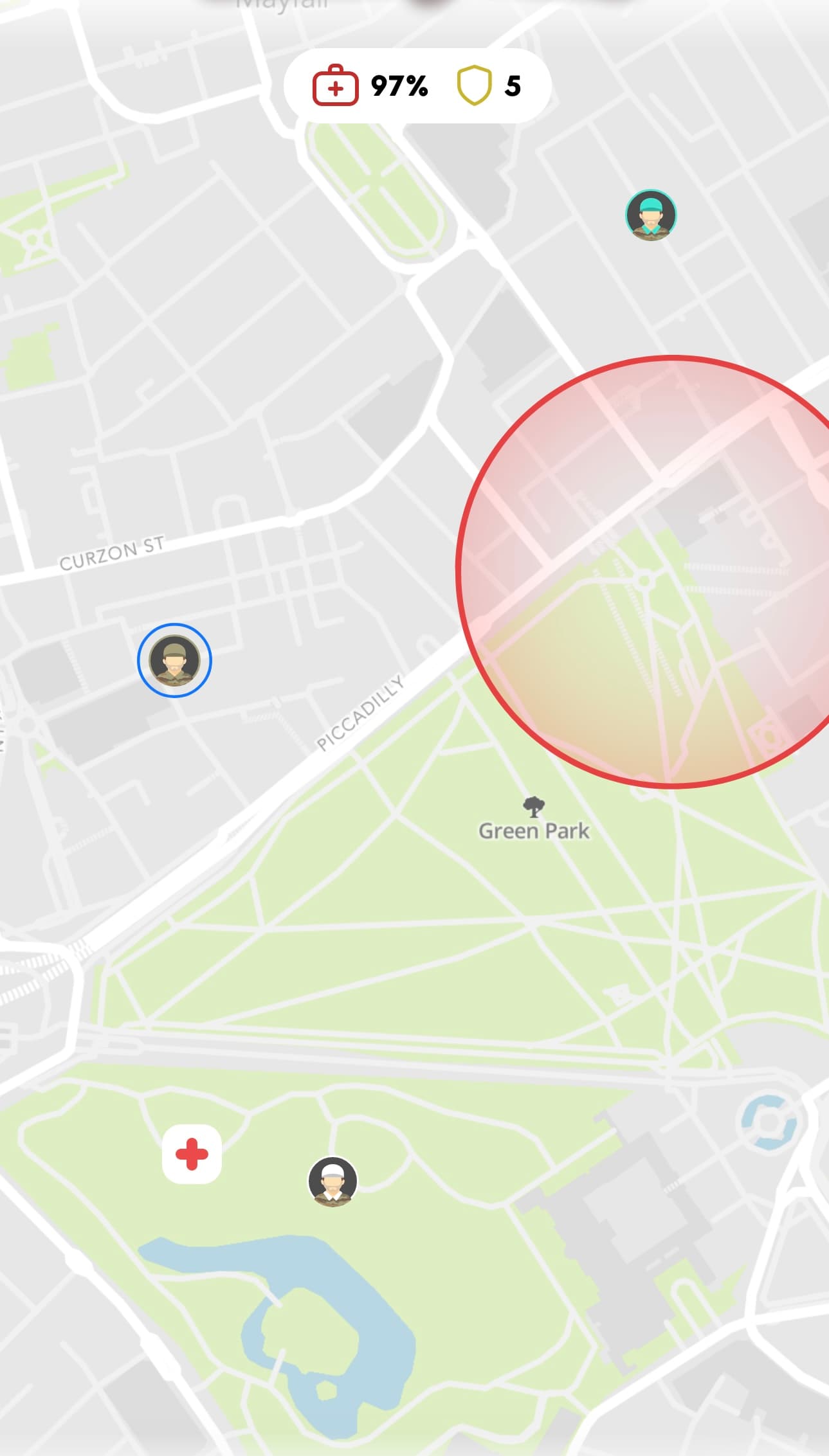
Your position is your base. Missiles travel across real streets with live trajectories, and you get a countdown to run when one's headed your way.
Airspace & diffused location
Each league has an airspace radius. Turn on diffused location and your exact position is blurred inside it — playable without broadcasting where you are.
Loot, coins & the store
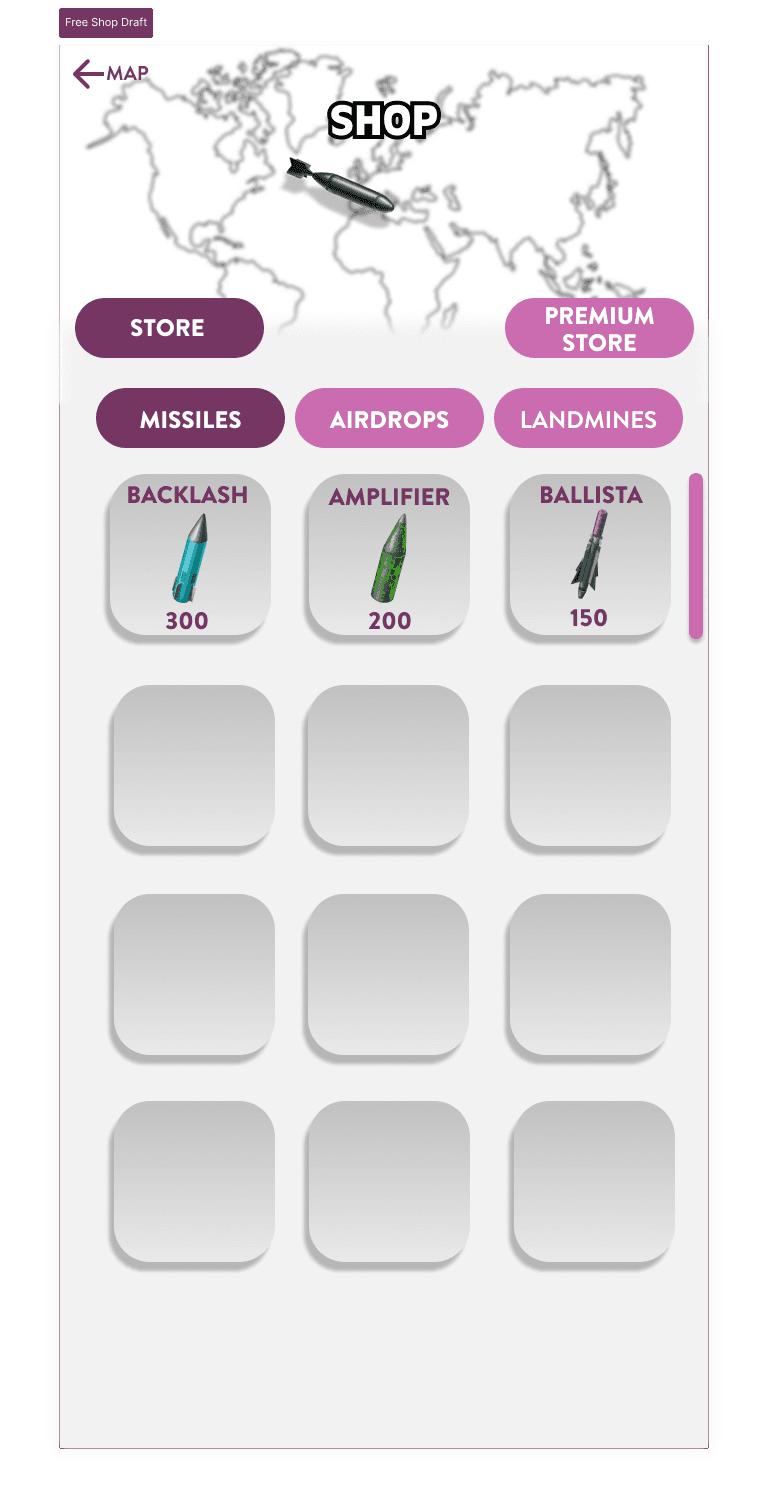
Common, uncommon and rare drops pay out items, coins, rank points and health. Spend coins in the shop or go premium.
Friends & chat
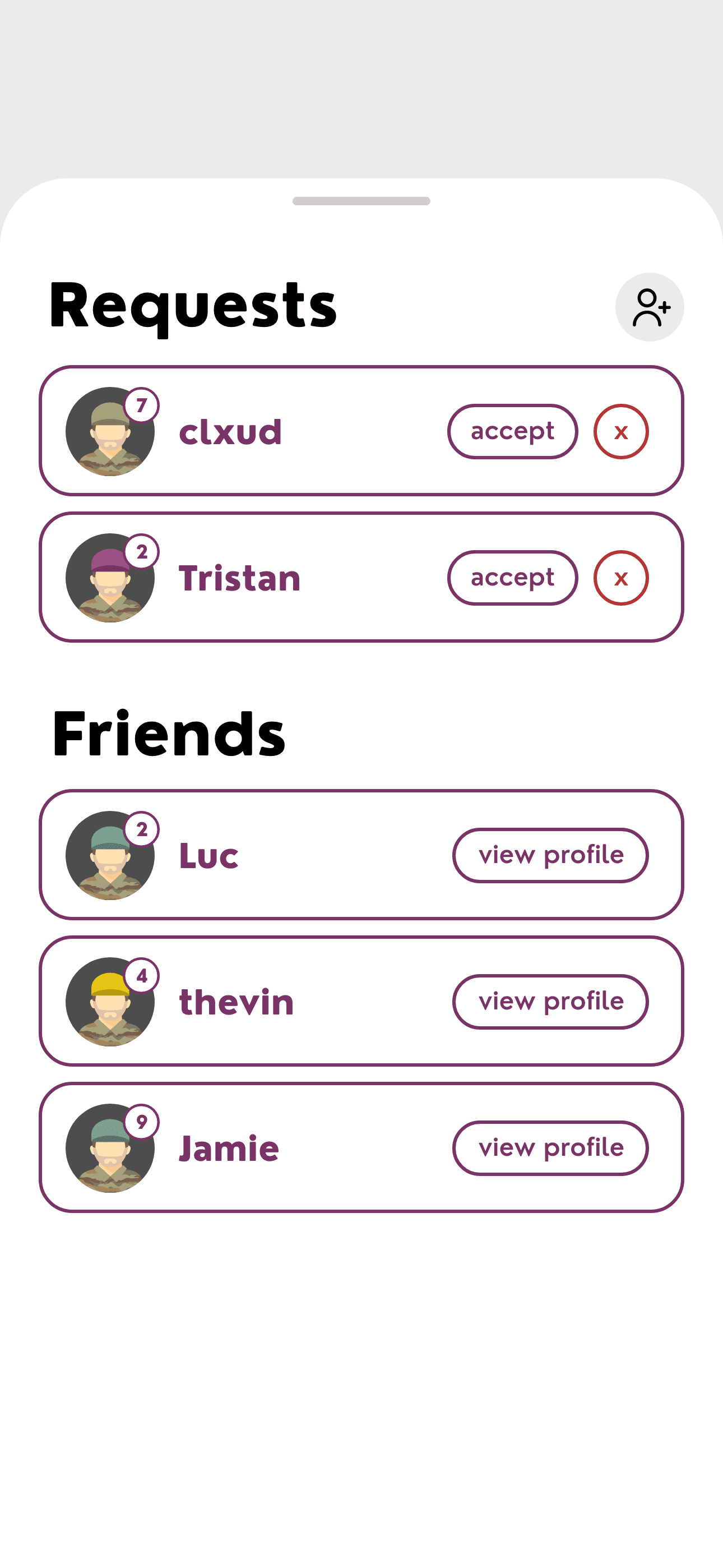
Friends, requests, chat and profiles follow you between servers, so your crew is always one tap away.
Alerts that matter
Push notifications when something enters your airspace, when you're hit, and when friends are nearby.
Make it yours
Map themes — Radar, Cyberpunk, Cherry Blossom, a colour-blind palette — and alternate app icons.
Arsenal & progression
Pick your weapon. Climb the ladder.
Nine missiles with their own speed, blast radius, damage and fallout — from the nimble Zippy to the 10,000-coin TheNuke.
Missiles
Landmines
Defence
Leagues · airspace
Airspace grows from 60 m in Bronze to 200 m in Legend. Divisions update hourly.
Under the hood
Modular backends. Anyone can host.
The 2026 rebuild split one big backend into independent game servers. A lightweight coordinator finds you the nearest one and vouches for you; the shard runs the game.
📱 Missile Wars app
Expo · React Native
Coordinator
server registry · heartbeats · signed 12h tokens · purchase checks · push relay
Official
shard
Community
shard
Your server
shard
Nearest wins
The coordinator ranks shards by distance, preferring verified servers and quieter ones on a tie. Or pick your own from the server list.
Each shard is a world
Inventory, coins and rank live on the shard. Your friends and chats follow you everywhere.
One-click hosting
Docker Compose brings up a shard and its database. Register it, get an API key, and it shows up in the picker.
Trust, verified
Shards check coordinator-signed tokens. Unverified servers come with a clear warning before you join.
2026 update
What changed this year.
Distributed hosting
- Game servers now ship as Docker shards anyone can host
- New coordinator for server discovery, sign-in and tokens
- Server picker with saved & recent servers
Gameplay & privacy
- Diffused location within league airspace
- Damage processor rewrite
- Auto-seeded missile catalogue
App & ops
- Background location, new onboarding, revamped store
- Purchases verified centrally by the coordinator
- Remote shard auto-updates and staff tooling
The journey
How it was built.
From a pin on a map to a live game with players worldwide. Some of the milestones along the way.
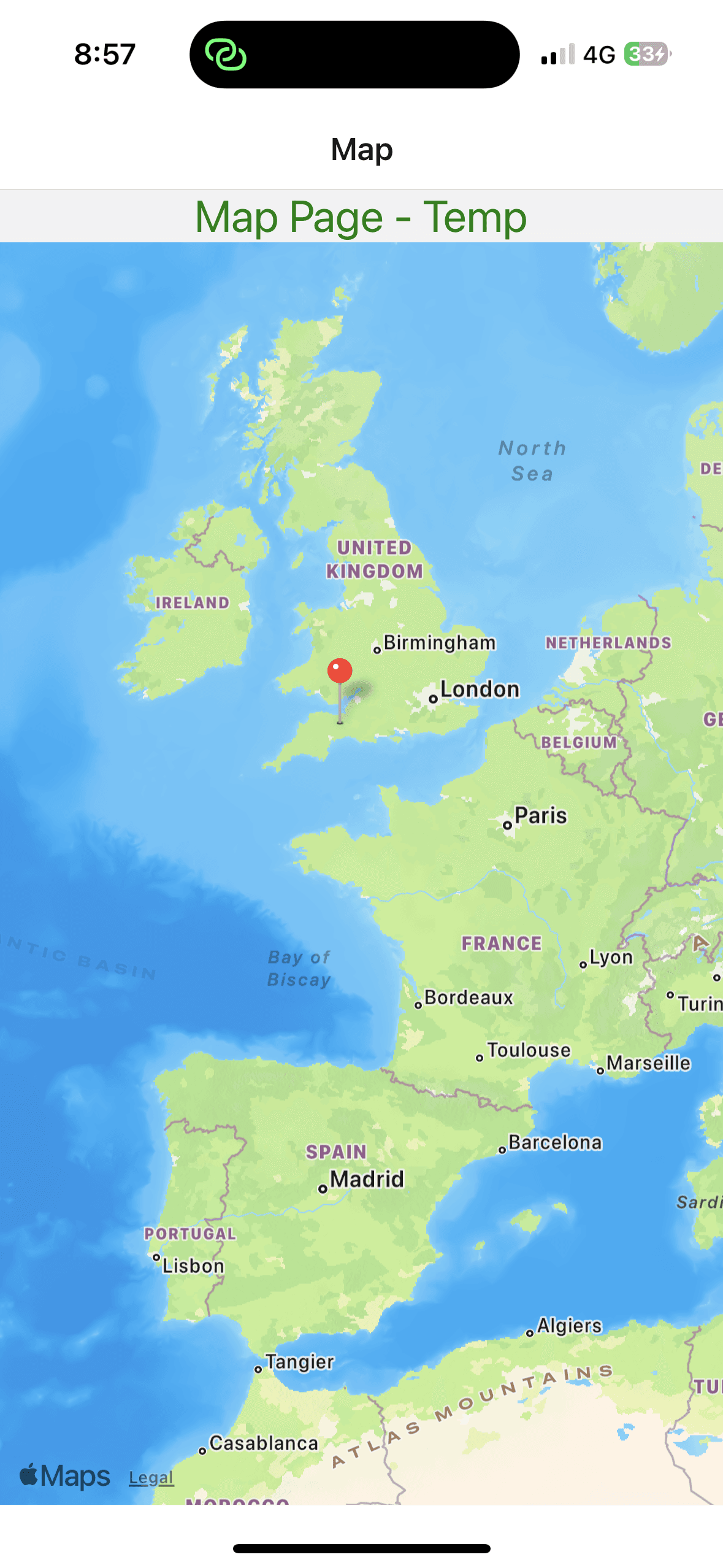
First map load with a pin on your position
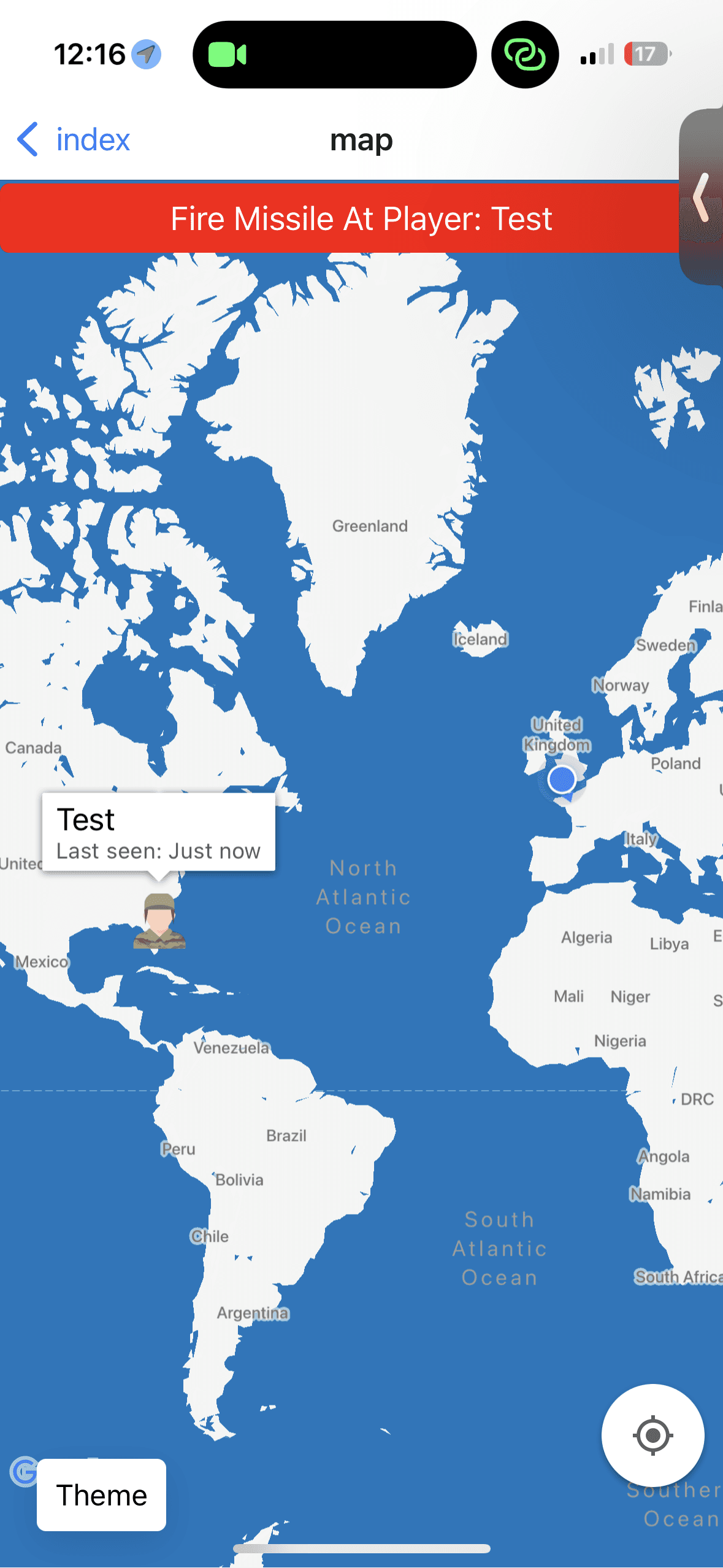
Multiplayer backend alpha
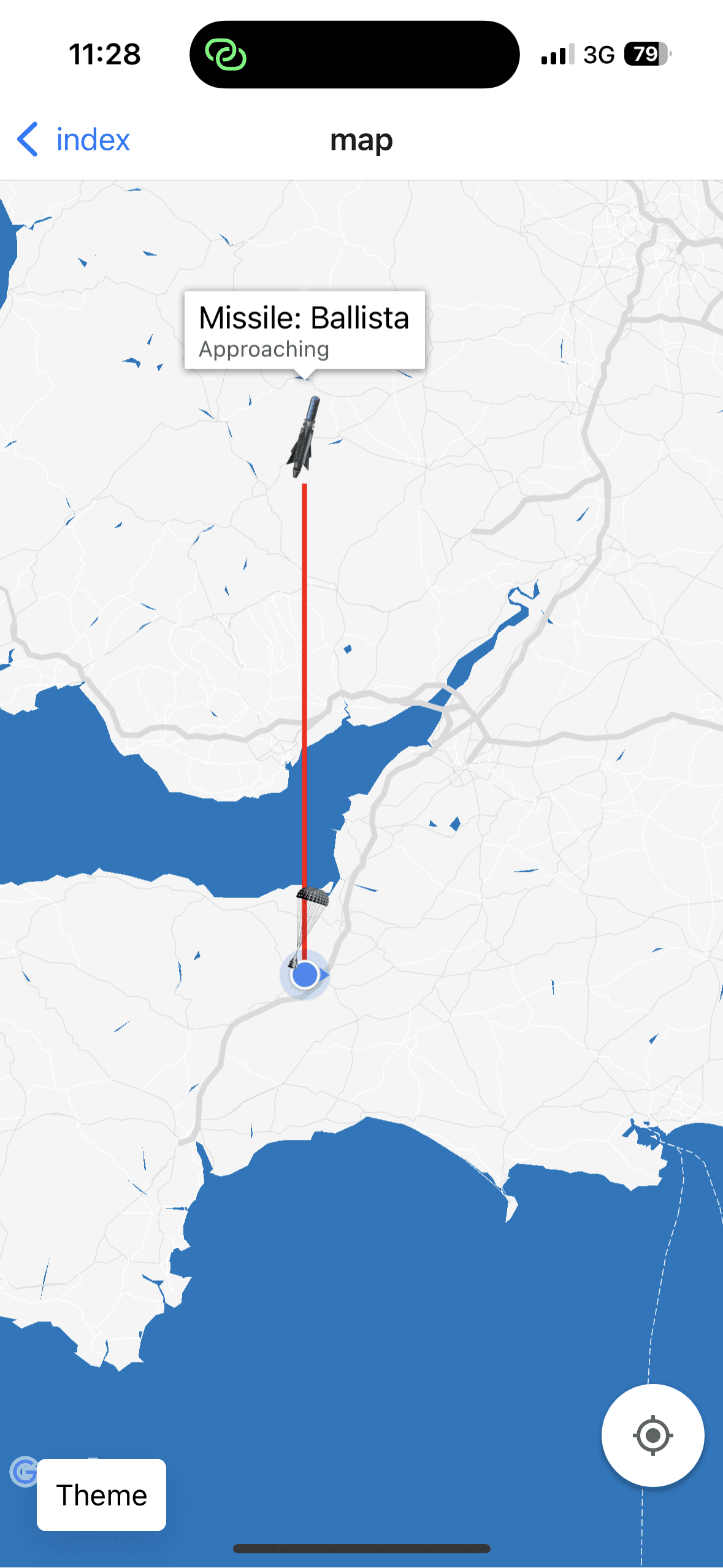
Missiles travel A→B with a trajectory line
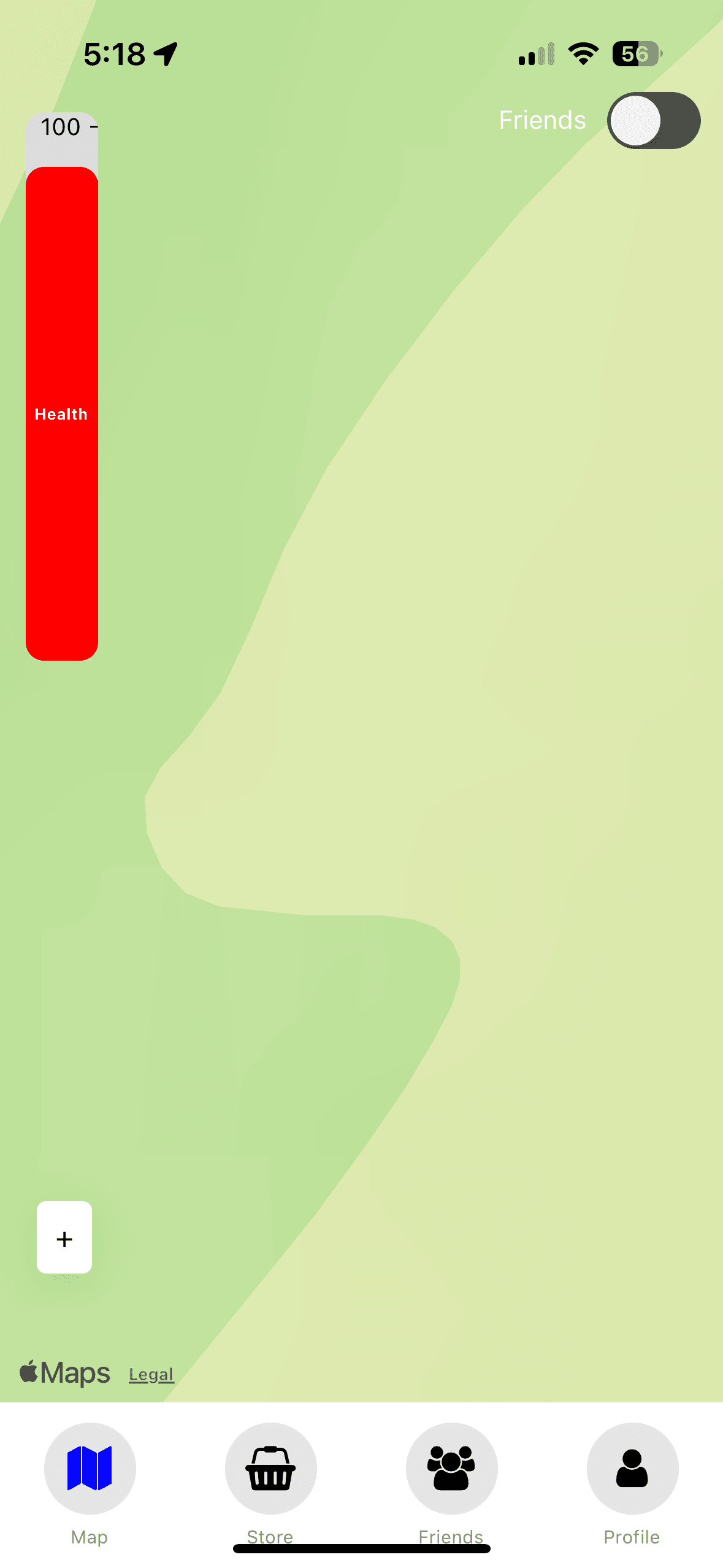
Real-time health bar
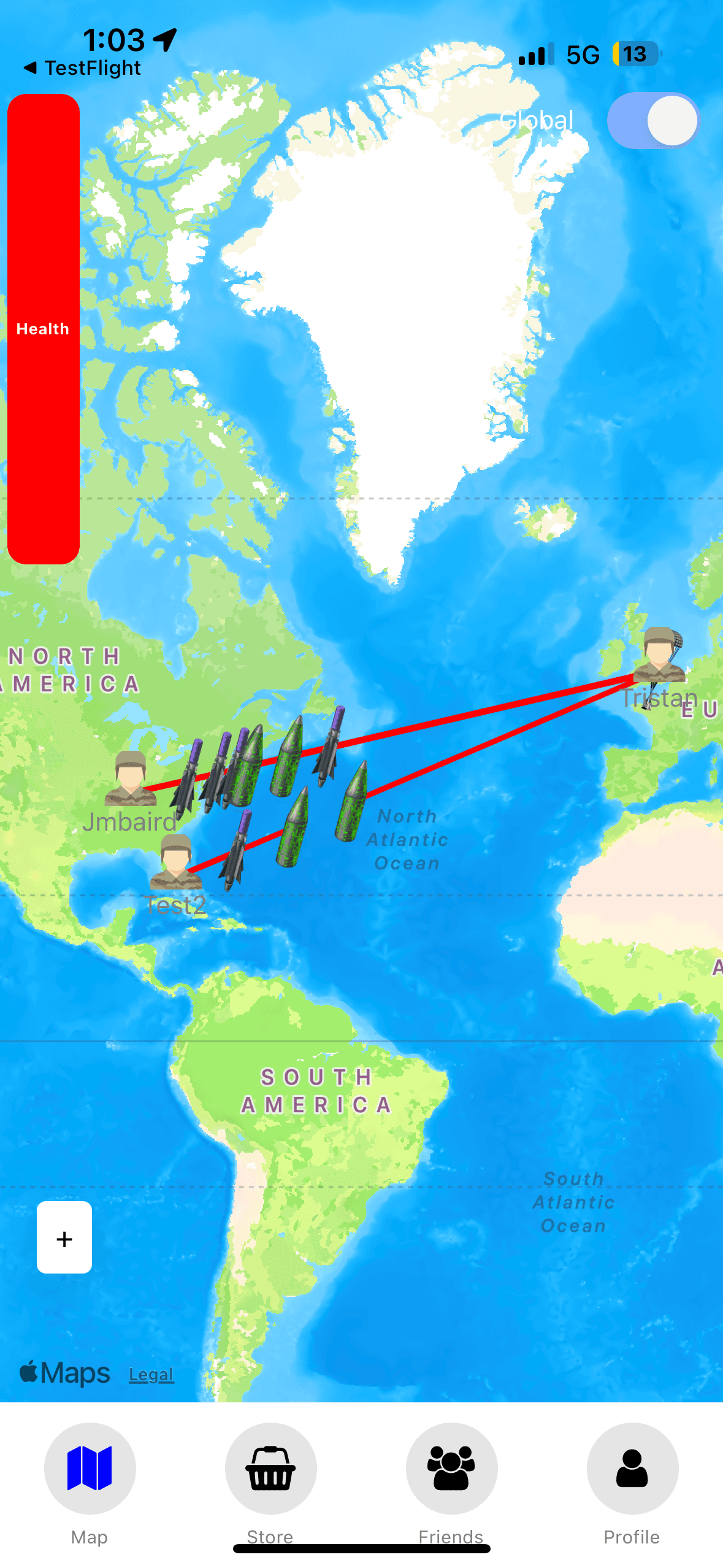
First missile fired
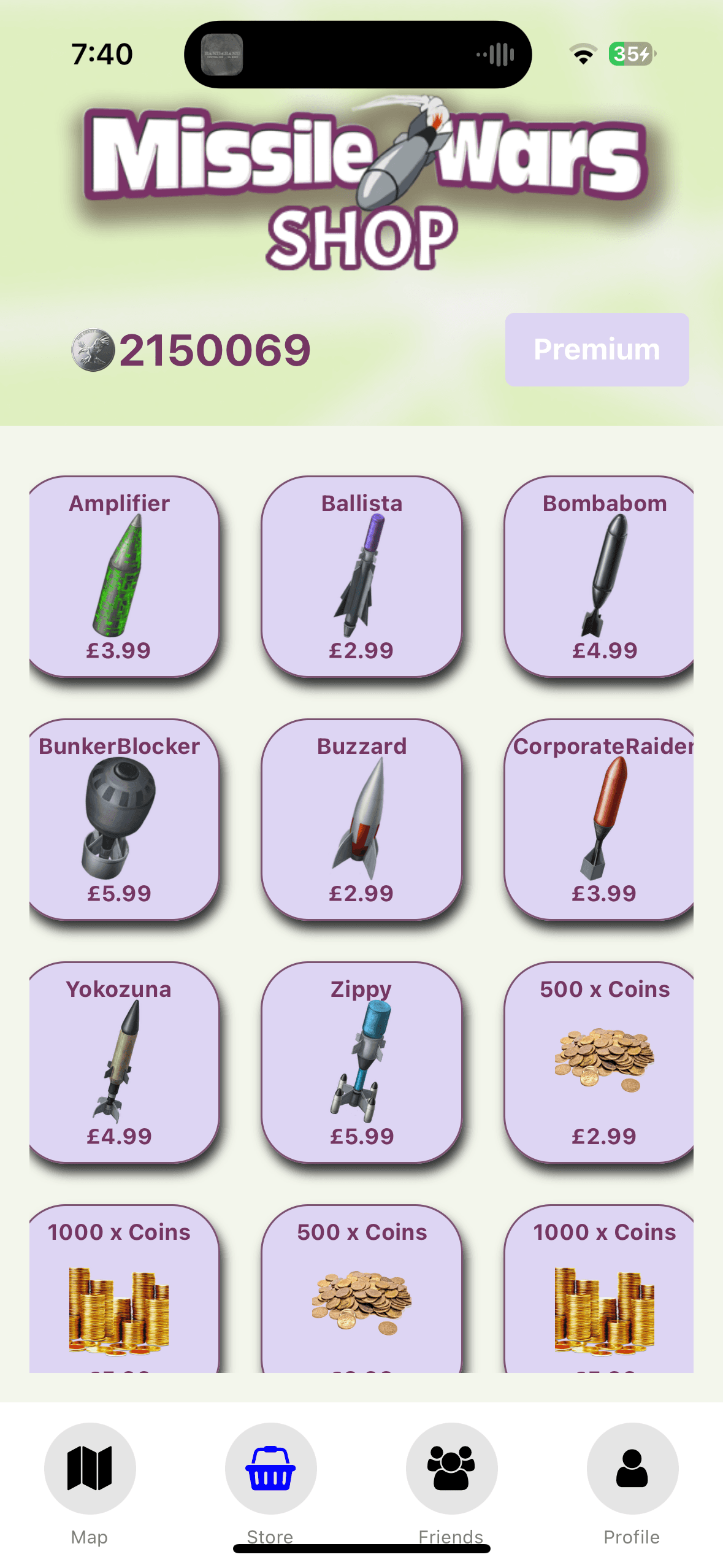
Store, based on the concept art
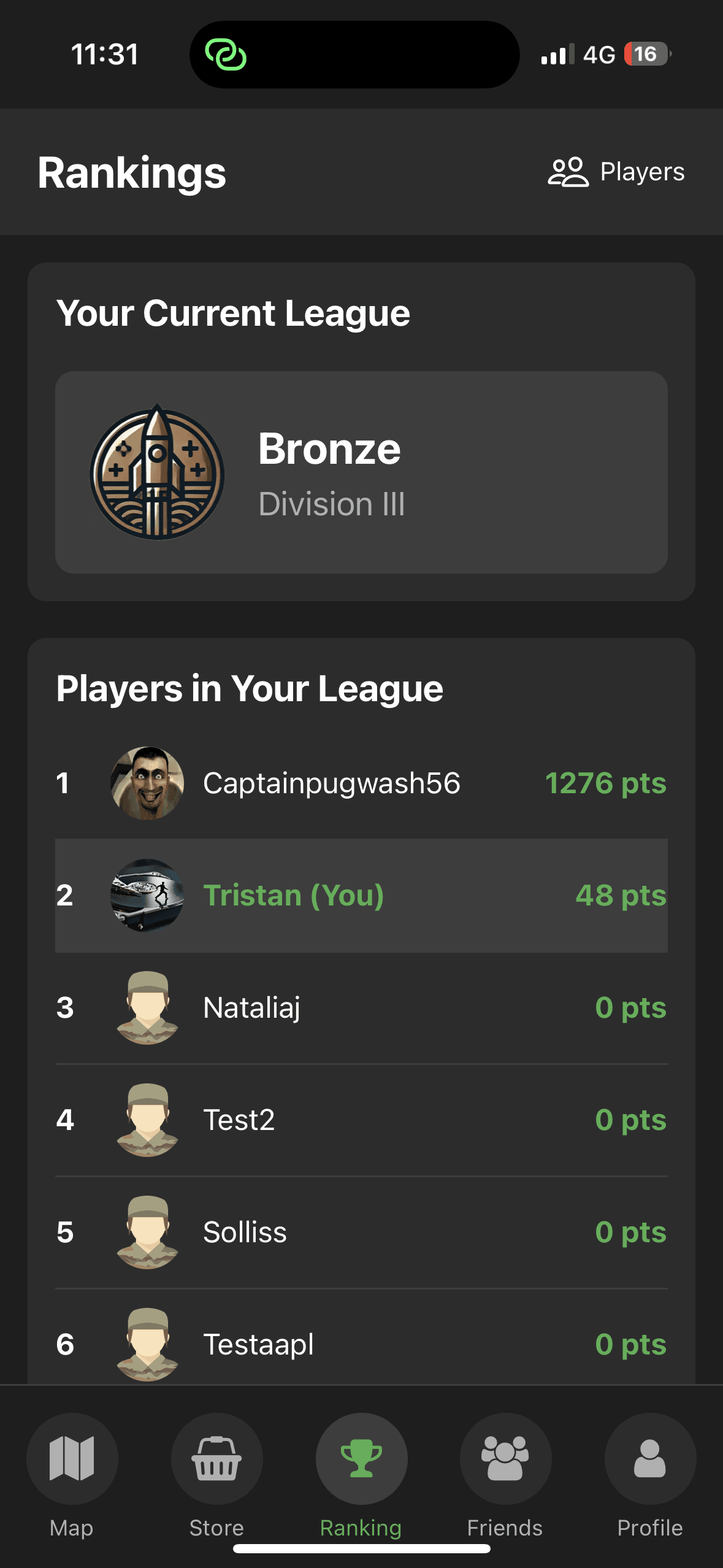
Leagues and rankings
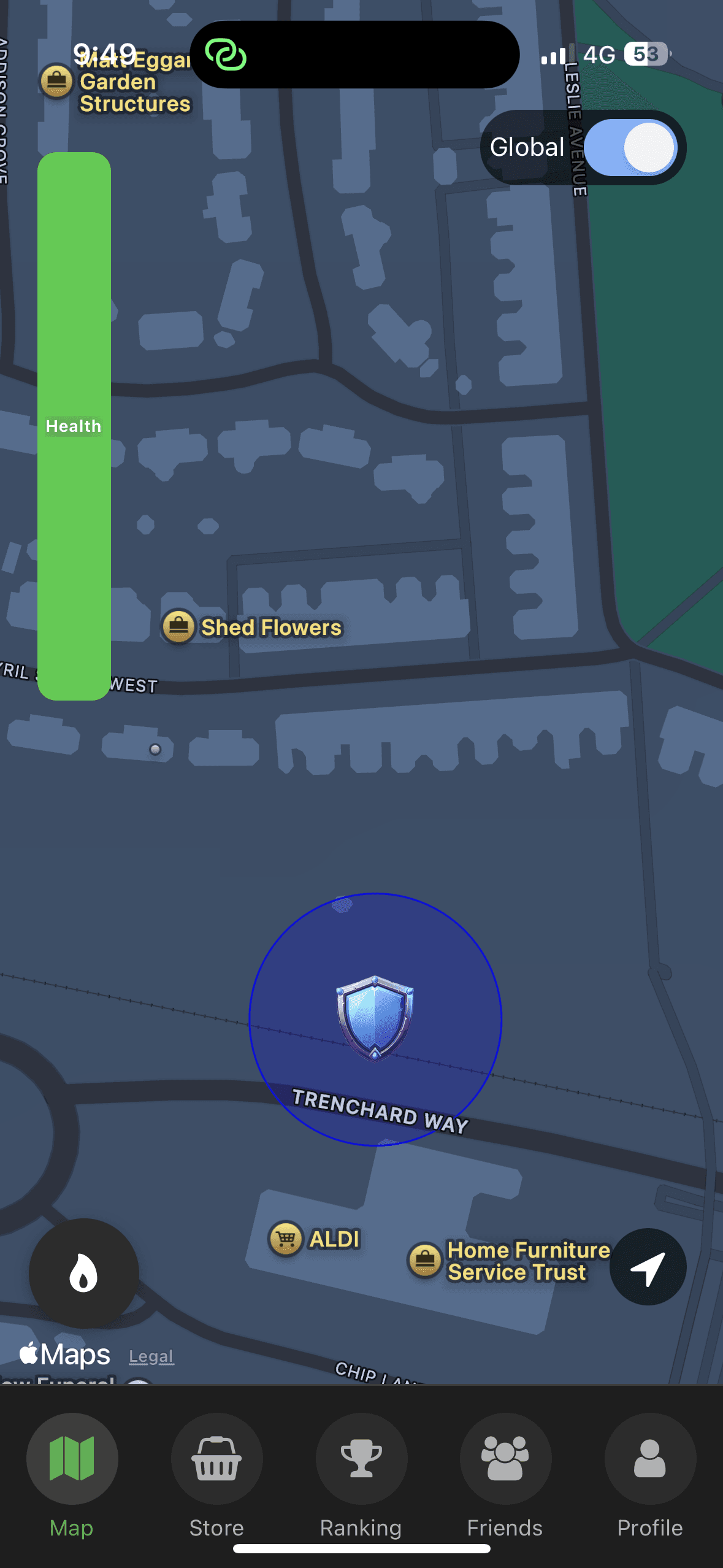
Shields
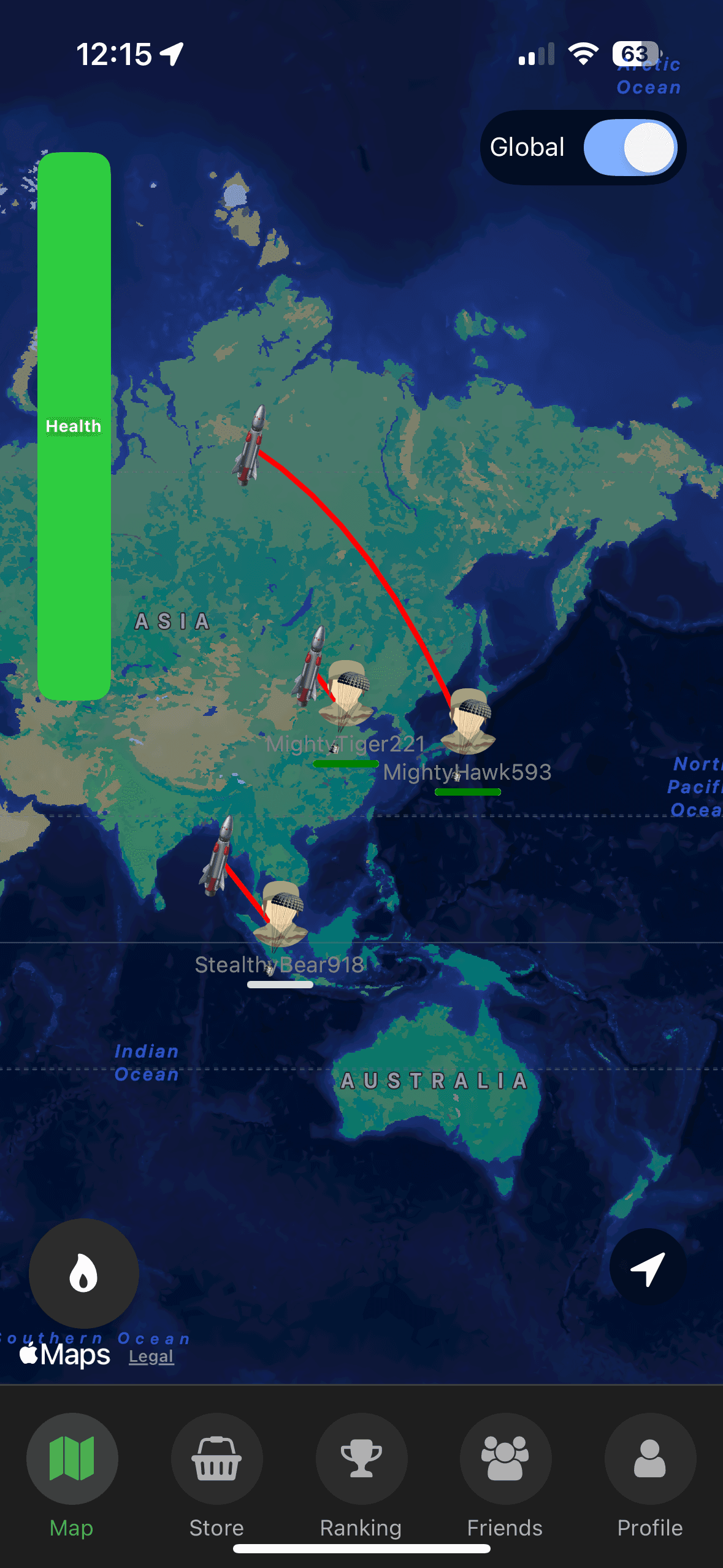
Players from all over the world
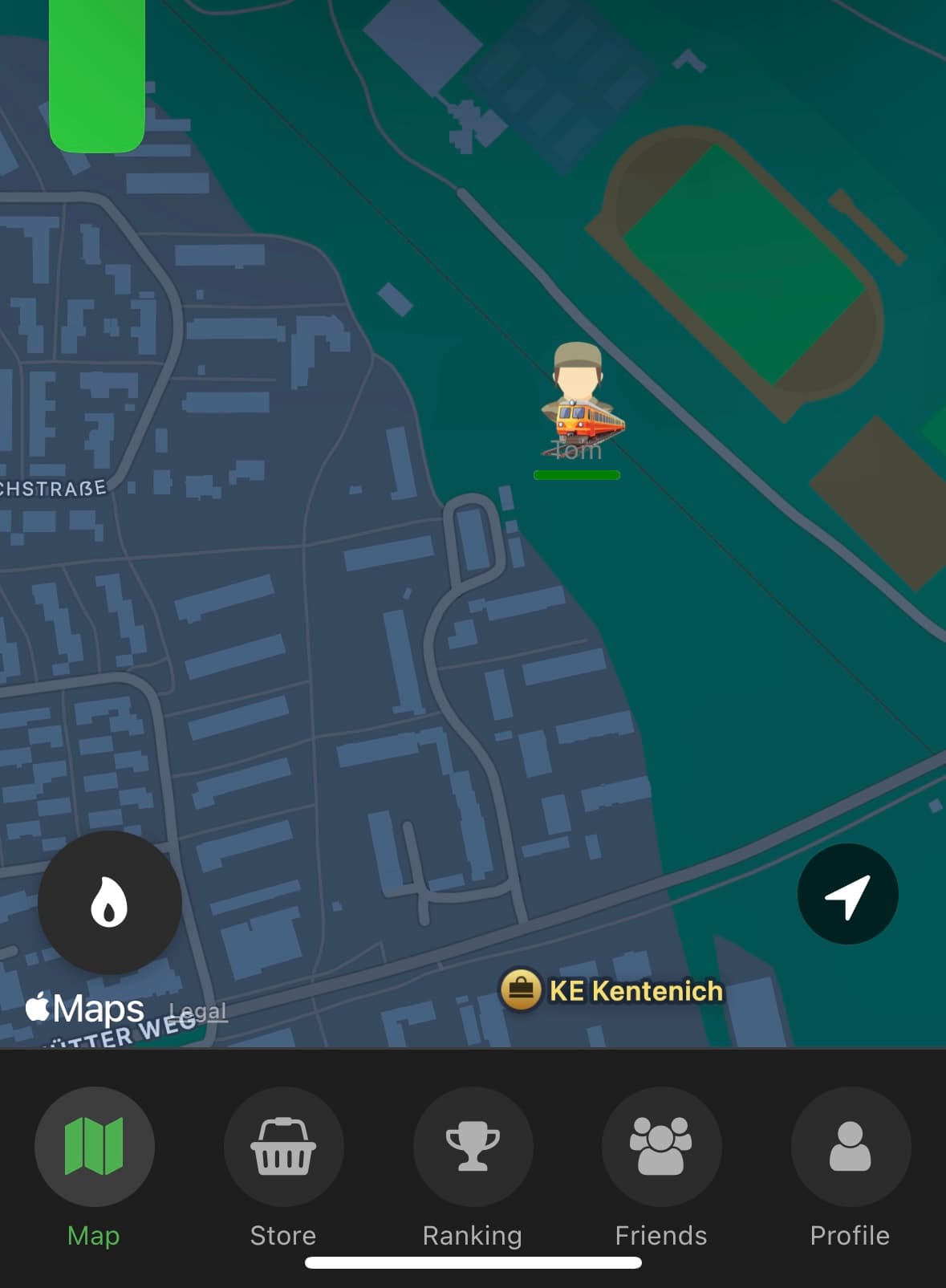
Speed tracking guesses how you're travelling
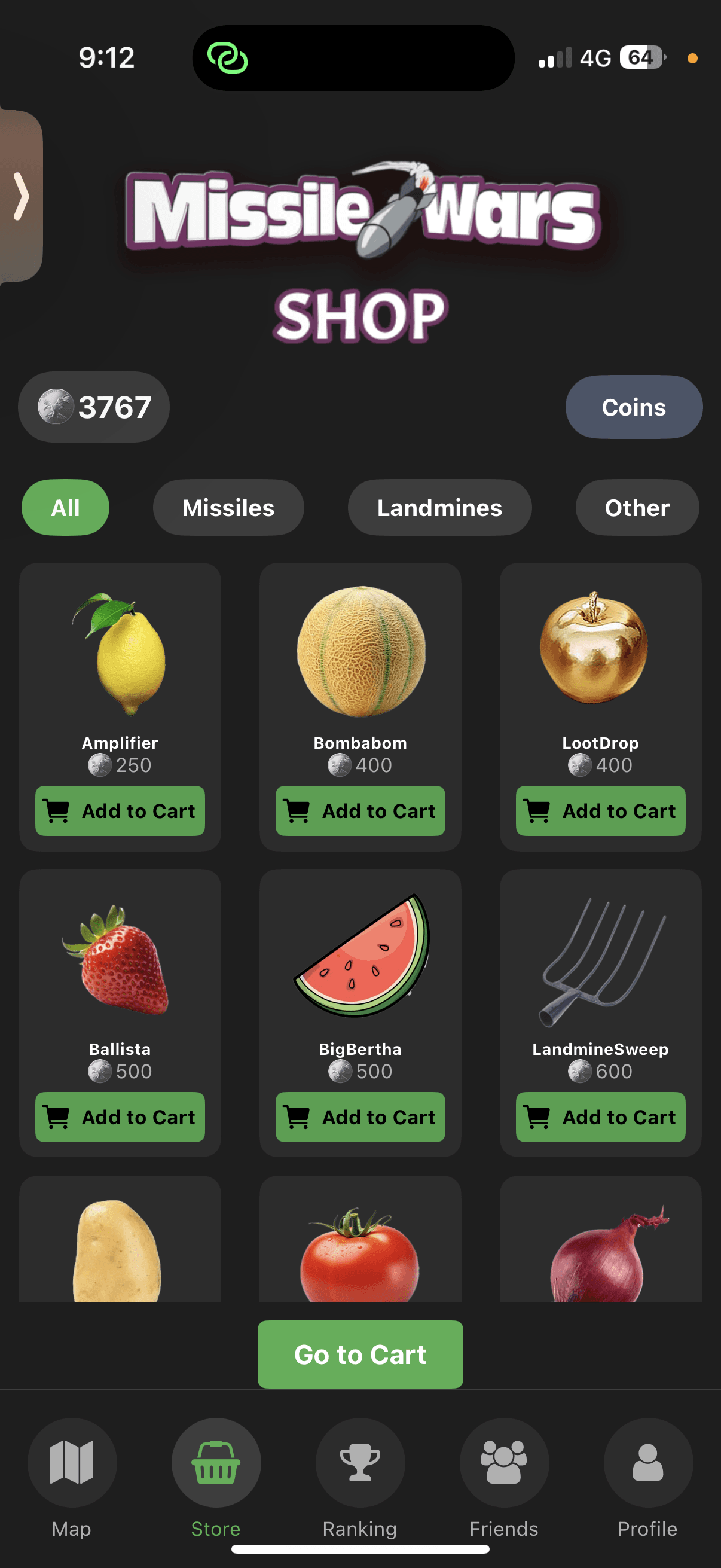
Custom missile skins
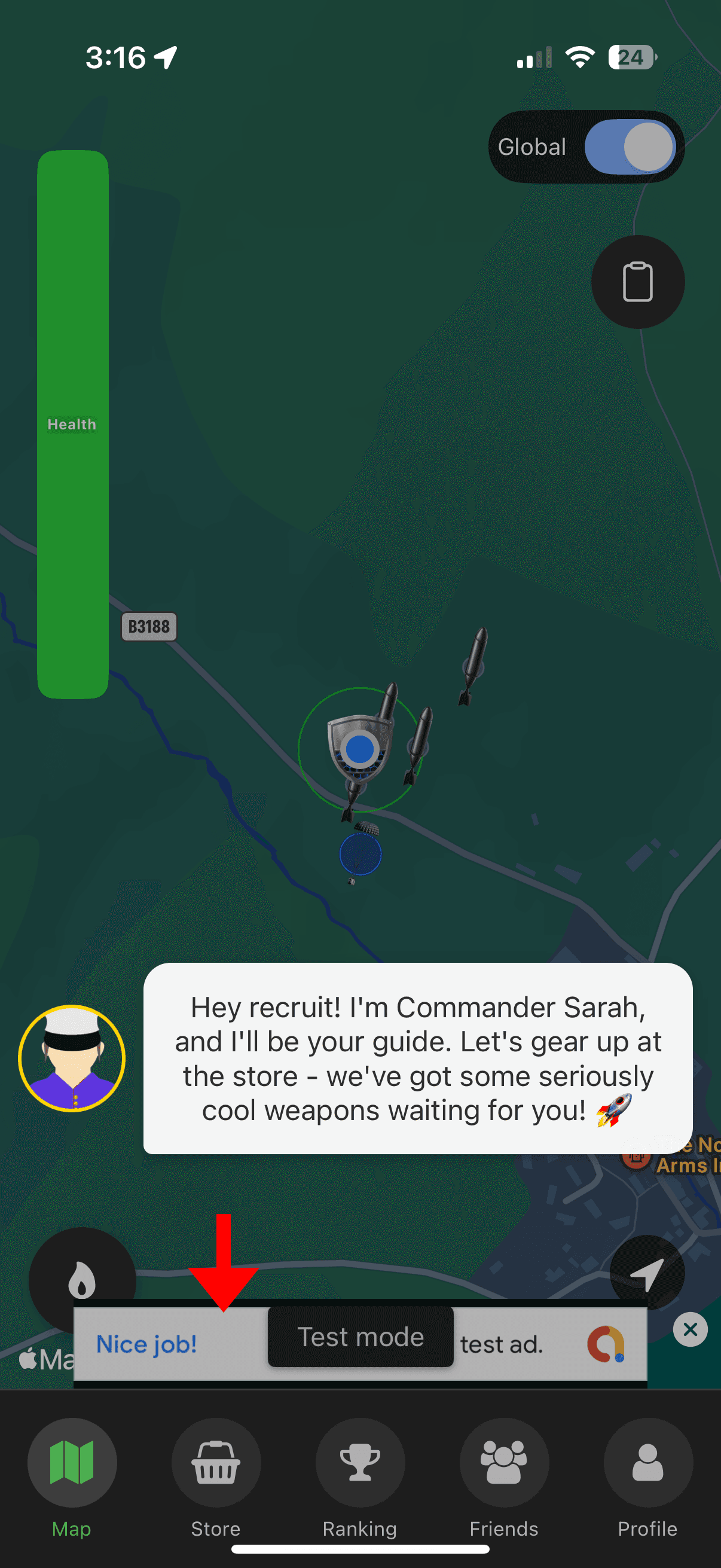
In-app guided tutorial
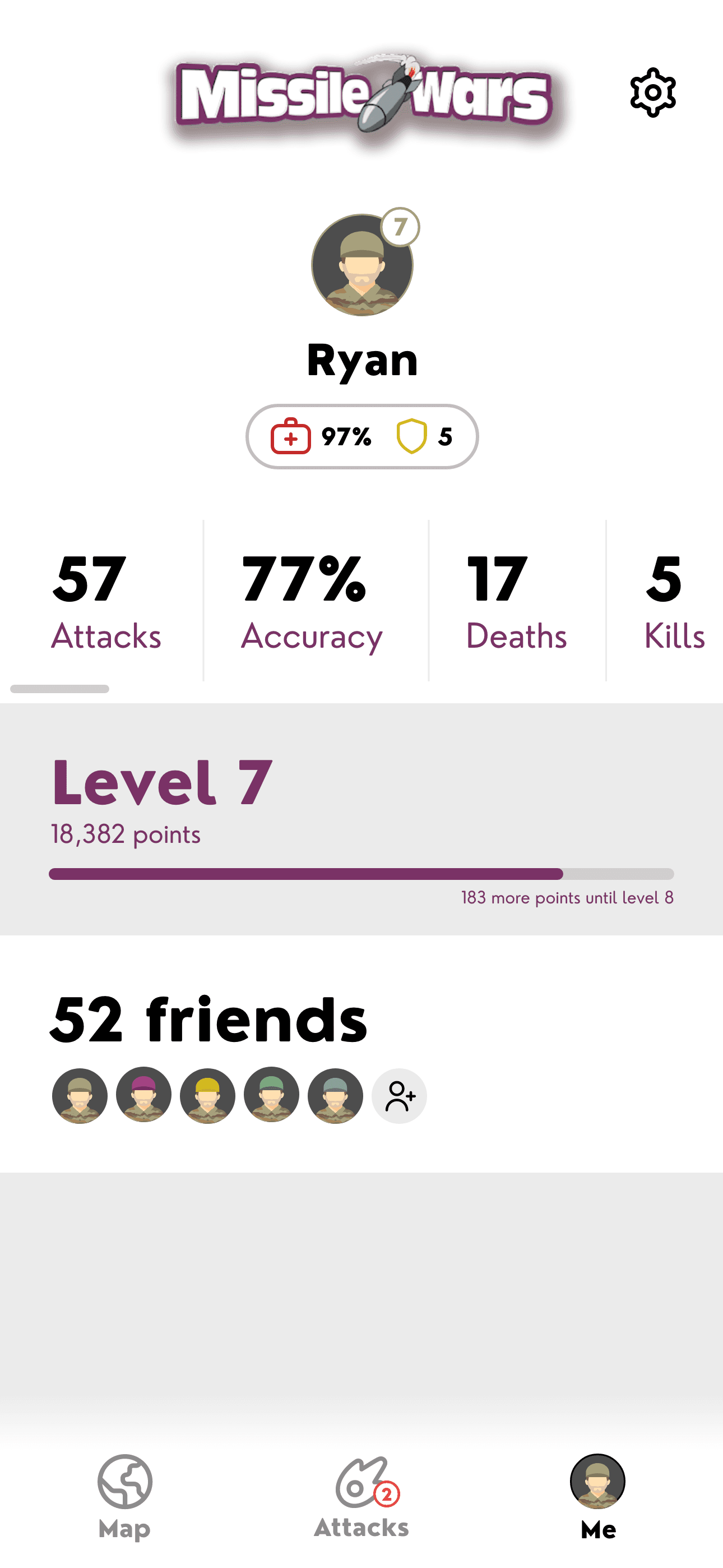
Incoming. Run.
Download the app, find a server near you — or spin up your own and bring your friends.